Using Data to Develop a Continuous Improvement Strategy

Over the past few years, organizations have transitioned from reacting haphazardly to disruptions to proactively addressing and responding to challenges. This shift has allowed organizations to recover quickly, thrive, and enhance their business agility.
How are organizations accomplishing enterprise business agility?
Organizations are accomplishing enterprise business agility by:
-
Prioritizing people, safety, continuous productivity, and improvement
-
Reshaping strategy for business continuity—evaluating business outcomes and readjusting based on reality instead of assumptions
-
Realigning the organization and delivery teams around adjusted outcomes and short-term priorities
-
Focusing on running the business efficiently, keeping operations strong, and maintaining healthy cash reserves
-
Keeping contingency plans up-to-date and actionable
The key to achieving all of this is data. By focusing on relevant, current data, organizations can make informed decisions, monitor progress, and overcome misleading assumptions.
Data-Driven Decisions
Once you have meaningful data, the next critical step is utilizing it to develop an ongoing Continuous Improvement Strategy across your organization. A strong Continuous Improvement Strategy allows teams to optimize their maturity and performance, ensuring they can consistently respond to disruptions effectively.
When organizations undergo Digital or Agile transformation, a robust continuous improvement foundation is crucial for success.
Building Blocks for Designing a Continuous Improvement Strategy
The American Society for Quality defines Continuous Improvement as “the ongoing improvement of products, services, or processes through incremental and breakthrough improvements.” These efforts can target incremental improvements over time or aim for a breakthrough all at once.
A successful continuous improvement strategy begins by asking, “What do I need to measure?” Start by examining:
-
Team-level metrics
-
Team-of-teams metrics
-
Organizational-level metrics
Quick overview of Continuous Improvement rollout steps:
To implement a continuous improvement strategy across your organization, follow these key steps:
-
Define goals and outcomes for your measurement and continuous improvement program.
-
Identify the teams involved in the program or decide whether to include your entire organization.
-
Gain consensus on what to measure at each level (team, team-of-teams, and organizational).
-
Rank and prioritize the rollout plan, and develop a quarterly roadmap to monitor progress.
-
Ensure the leadership team is ready to remove obstacles and support the initiative.
-
Identify change management areas to focus on for teams, leaders, and stakeholders.
-
Develop a talent strategy to enable agility across your organization.
Make Data-Fueled Decisions
To begin gathering the right data and understand your teams’ current state, you must establish a baseline. This baseline provides a benchmark for measuring success.
At AgilityInsights, we offer an Org Baseline Jump Start, which allows you to assess maturity and performance across all of your teams at once. This helps you gain insights into your teams’ current state and identify strengths and areas for improvement.
Baseline data can inform key decisions and enable you to target areas for growth, such as talent gaps, coaching needs, and training. The Org Baseline Jump Start gives you the ability to assess large numbers of teams quickly, identify targeted recommendations, and determine obstacles that leaders need to help remove.
By combining these insights with leadership support and access to the AgilityInsights Growth Portal, teams can make data-driven decisions that accelerate their growth, helping them become high-performing more quickly.
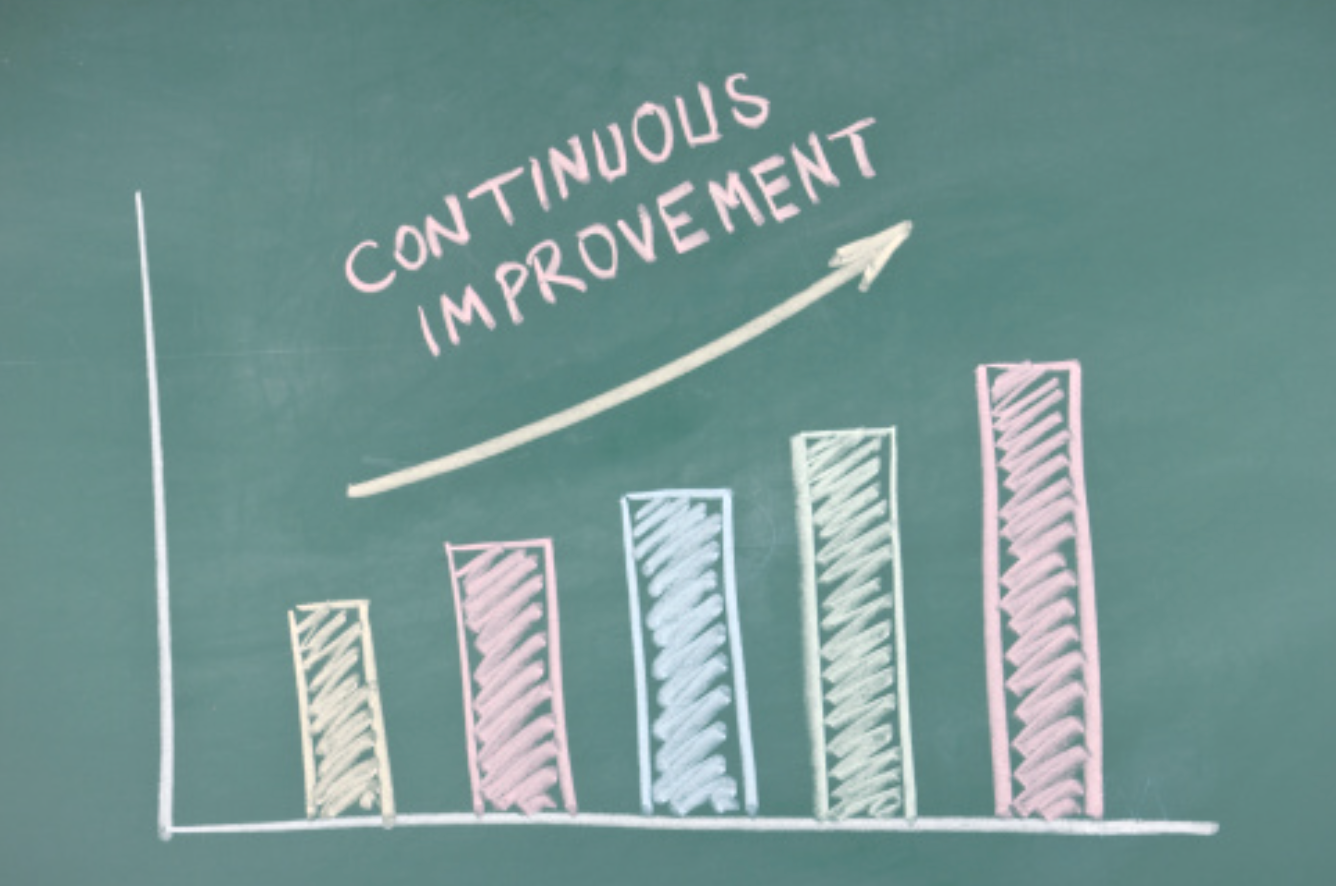
Implementing a continuous improvement cycle fosters team
maturity and performance.
Periodically repeating assessments throughout the organization allows teams to see their growth over time and keep their focus on strengths and areas to improve. Ensuring leaders support the mission to remove impediments and support team maturity and growth allows progress to be fostered, which in turn creates a culture of continuous improvement in your organization.
Continuously Improve Enterprise Agility
In 2021, we saw the need to add a certification course for those champions who are responsible for implementing and ensuring the success of continuous improvement strategies within their organization. The Continuous Improvement Champion Certification enables internal change agents with the skills needed to set up Measure & Grow programs for success and ensure managers and leaders are actioning on improvement plans so that tangible results are achieved. These change agents are usually embedded in the team responsible for the organization’s Enterprise Business Agility journey.

Embed strategists to lead your enterprise transformation by certifying change agents
with our Continuous Improvement Champion Certification.
Final Thoughts
Ultimately, a Continuous Improvement Strategy helps you develop a prioritized roadmap and holistic approach for your Digital or Agile transformation journey by measuring what matters at different levels of your organization and engaging leaders early and often to remove impediments and foster team growth.
Assessing groups of teams through the Org Baseline Jump Start will identify patterns and target areas to focus on so you can use that data to drive improvements across your enterprise—and be responsive when disruptions occur, rather than reactive.
Key Resources
- Schedule a Measurement and Continuous Improvement Strategy workshop to get started with your strategy
- Enroll key strategists in our Continuous Improvement Champion Certification to help foster your strategy
- Begin developing a continuous improvement program at all levels by completing an Org Baseline